

Homemade cranberry orange scones are deliciously flaky and tender with bright orange flavor and pops of tart, juicy cranberries. A sprinkle of coarse sugar adds crunch, and a drizzle of orange glaze brings out the citrus flavor!

I originally published this recipe in 2015 and have since updated it with new photos and additional success tips.
Today’s cranberry orange scones are buttery, flaky, and filled with tart cranberries and fresh orange flavor. They have crisp, golden edges, soft centers, and just the right amount of sweetness. A drizzle of fresh orange glaze finishes each one, making them a lovely addition to a holiday breakfast, weekend brunch, or any morning that calls for something special!
Why You’ll Love These Cranberry Orange Scones
- Buttery and flaky: Cold butter creates pockets of steam in the oven, giving the scones their signature flaky texture.
- Pops of juicy cranberries: Just like biting into a piece of cranberry cake!
- Soft centers and crisp edges: Heavy cream adds richness and keeps the insides tender, while the outside bakes up crisp and crumbly.
- Fresh, bright flavor: Orange zest and fresh orange juice bring plenty of citrus flavor without overpowering the tart cranberries. (Orange is a tasty addition we use to make this cranberry sauce, too!)
- Easy to make: You can mix the dough by hand in a bowl.
- Make-ahead friendly: Prepare the dough the night before or freeze the shaped scones for baking another day.
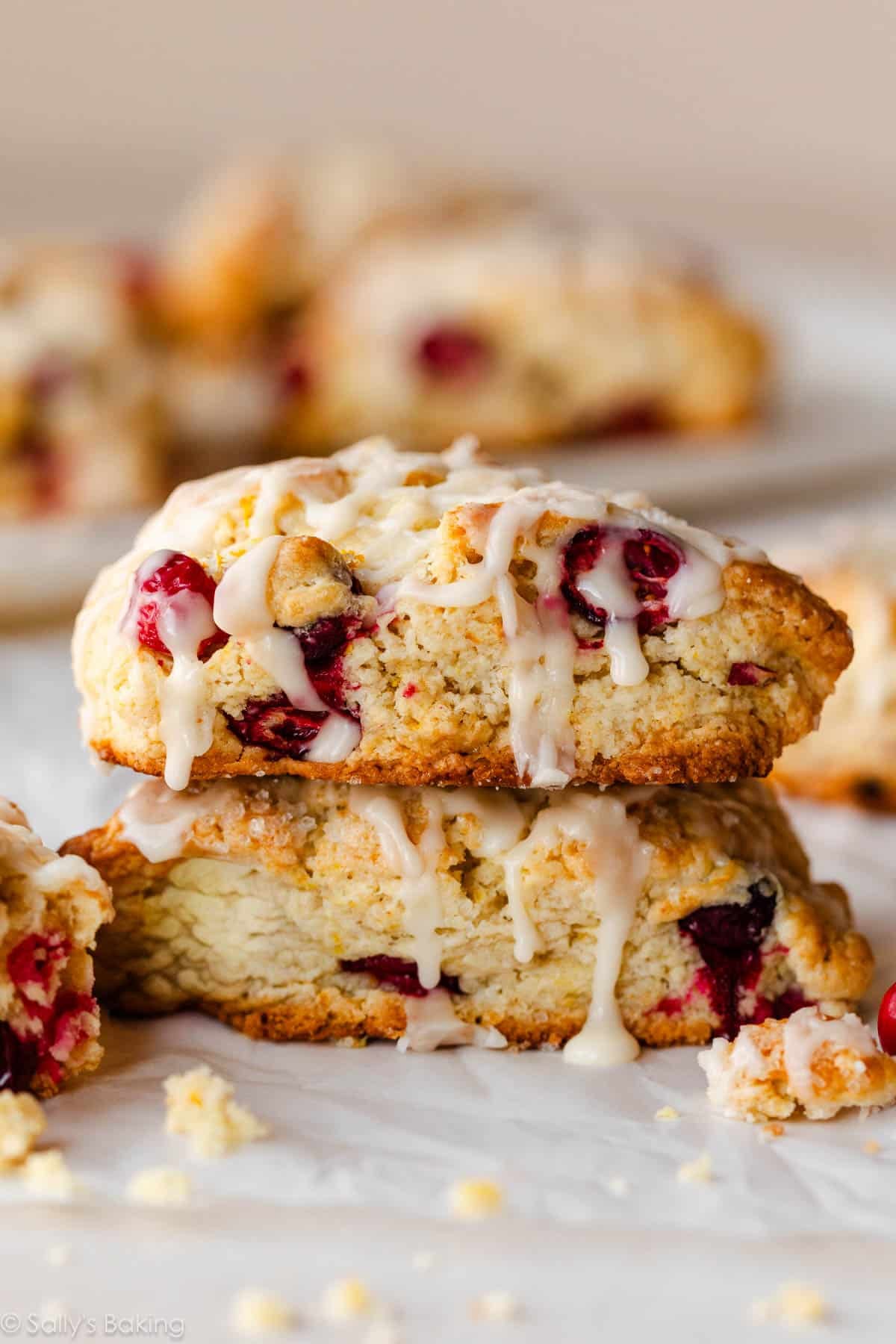
These cranberry orange scones have been a reader favorite for over a decade now! Just take a look at a few of the reviews:
One reader, Joe, commented: “Wow, absolutely amazing. I live in Cape Breton, Nova Scotia, where cranberries are very plentiful so to find a GREAT recipe using cranberries was a win. My wife says these are by far the best she has ever had. I put sliced almonds on top and add orange zest to the glaze which gives them an extra pop. ★★★★★“
One reader, Lynn, commented: “I have never had success with scones before this recipe! I made three batches over the holidays, and cannot wait to try other combinations! ★★★★★“
One reader, Rhonda, commented: “Easy and delicious recipe! I’ve been asked on multiple occasions which bakery these scones came from. Definitely a keeper! ★★★★★“
One reader, Chelsea, commented: “Sally has the most reliable recipes. I genuinely am not a baker but this scone recipe (and your biscuit recipe) make me FEEL like a baker. The cranberry orange scones are divine ★★★★★“
The dough comes together with simple baking ingredients. A few important techniques, including using frozen grated butter and chilling the shaped scones before baking, make all the difference.
If you’ve never made homemade scones before, this is a wonderful recipe to start with!
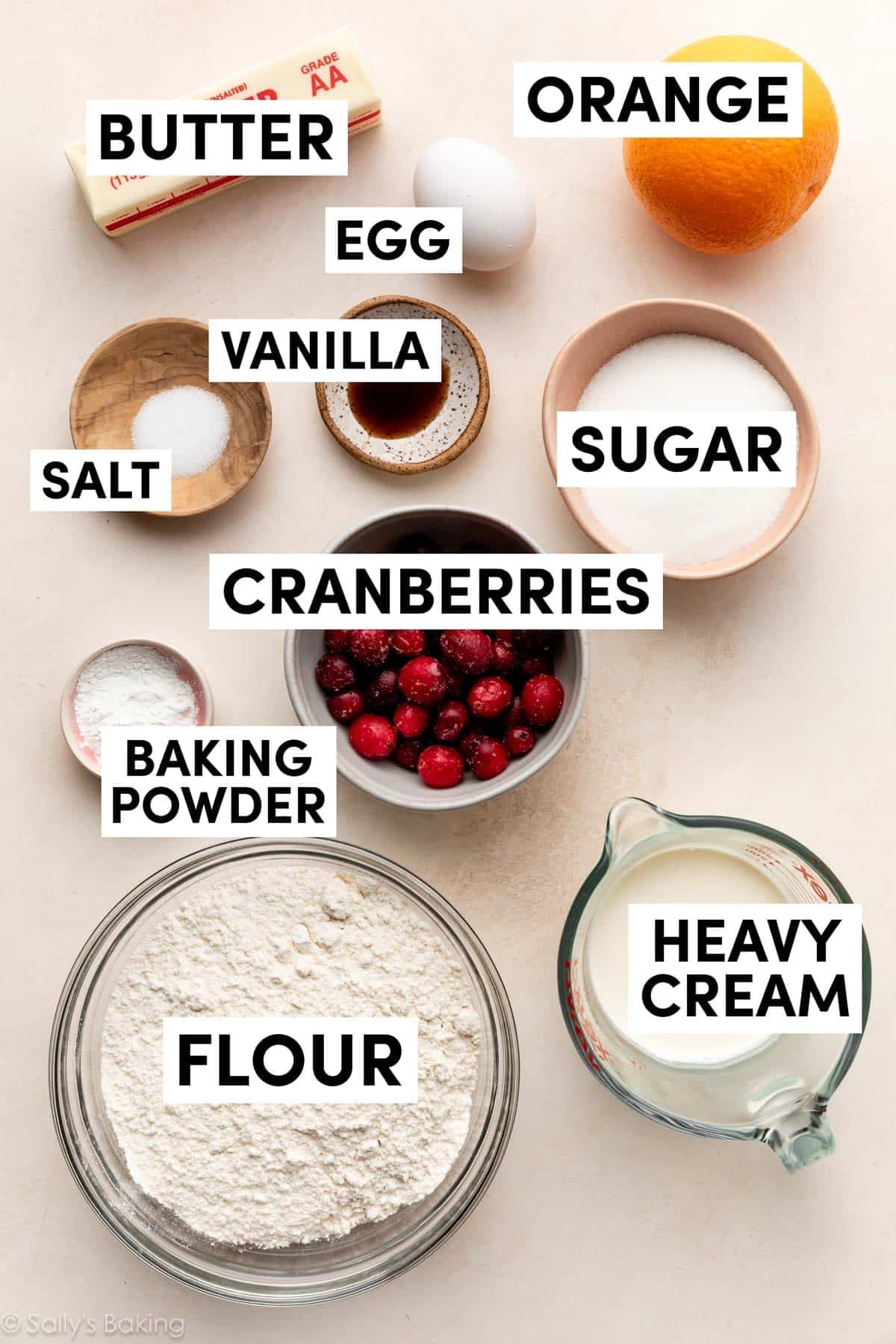
Ingredients You’ll Need
- Flour: The base of today’s scones. Be sure to have a little extra on hand for the shaping step.
- Granulated Sugar: Sweetens and tenderizes.
- Baking Powder: Adds lift.
- Salt & Vanilla: Key flavor enhancers.
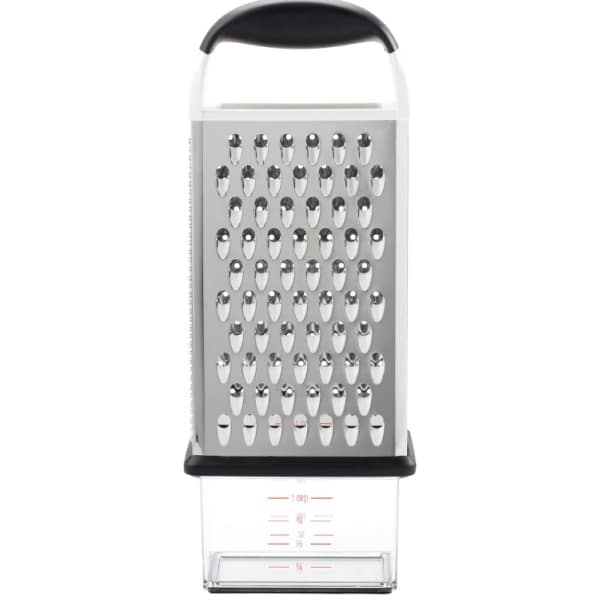
- Frozen Butter: Cold butter is essential for deliciously flaky scones. Grating it with a box grater makes it easy to distribute evenly throughout the dough.
- Heavy Cream: For the best-tasting scones, use heavy cream for richness. Avoid thinner liquids such as milk or almond milk because they result in dry, bland, and/or flat scones.
- Egg: 1 egg adds flavor, lift, and structure.
- Orange Zest: The zest from one orange provides bright flavor and pairs perfectly with the tart cranberries. Don’t leave it out!
- Cranberries: I prefer to use fresh cranberries when they’re available, but you can use frozen instead if that’s all you have.
Fresh or Frozen Cranberries for Scones?
Fresh cranberries are my first choice when they’re in season, but frozen cranberries are a convenient option throughout the year. If using frozen, add them straight to the dough without thawing first. Thawed cranberries can release excess moisture and turn the dough pink.
You can also use dried cranberries if that’s what you have on hand. The finished scones will be sweeter and won’t have quite the same juicy bursts of tart cranberry flavor.
The Secret to Flaky Scones: Frozen Grated Butter
If there’s one technique I want you to take away from this recipe, it’s this: use frozen butter!
Just as we do when making homemade pie crust, we want the butter to stay very cold as we work it into the flour. As the butter melts in the oven, the water in it turns to steam, creating little pockets in the dough. That’s what gives the scones their flaky texture.
I recommend freezing the butter for about 30–60 minutes before you begin, then grating it with a box grater. The small shreds distribute easily throughout the dry ingredients, and you won’t have to work the dough as much.
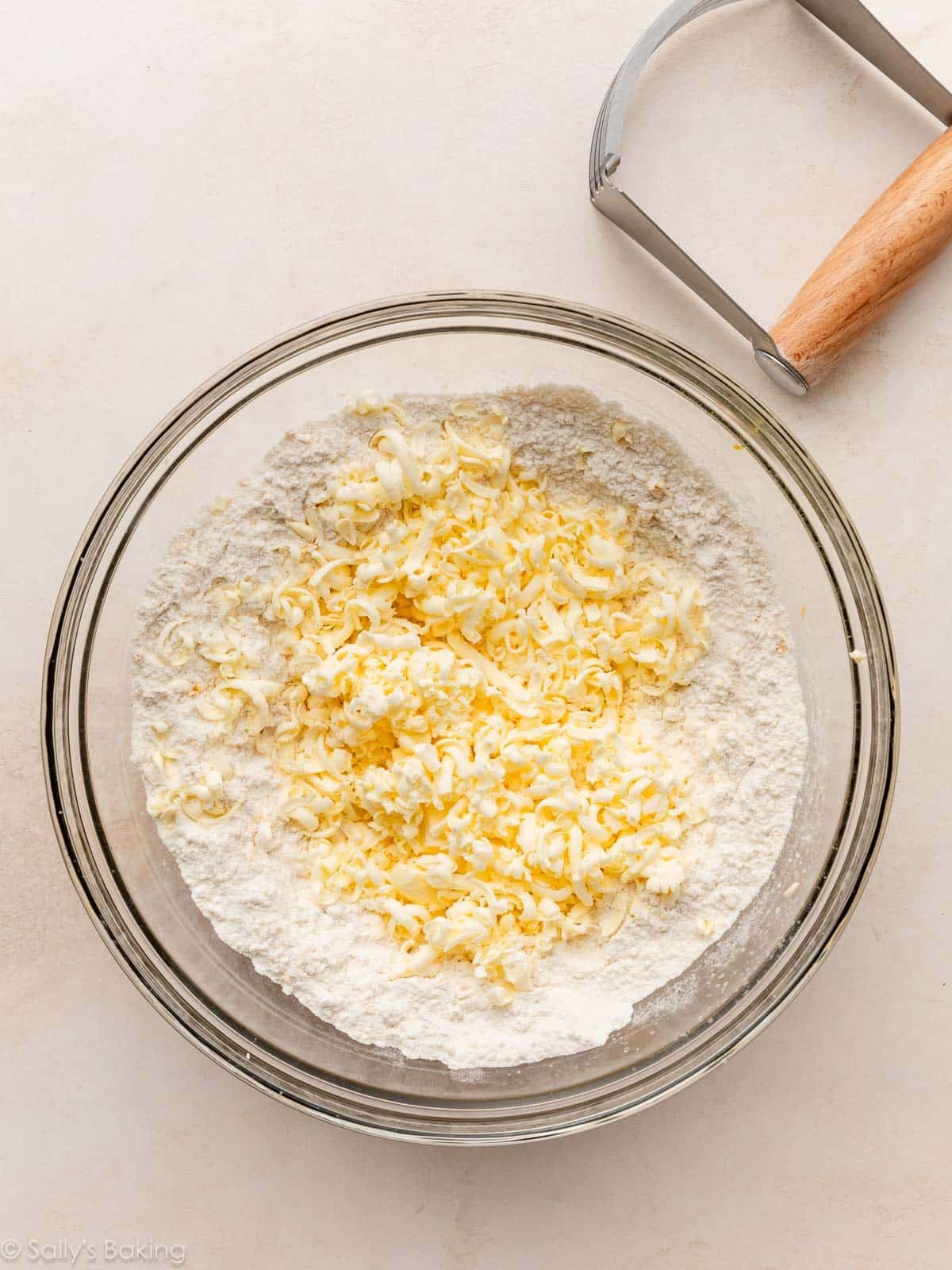
You could also cut refrigerated butter into small cubes, freeze them, and then use a pastry cutter to cut the frozen cubed butter into the dry ingredients, which is what we do for these maple oat pecan scones.
How to Make Cranberry Orange Scones
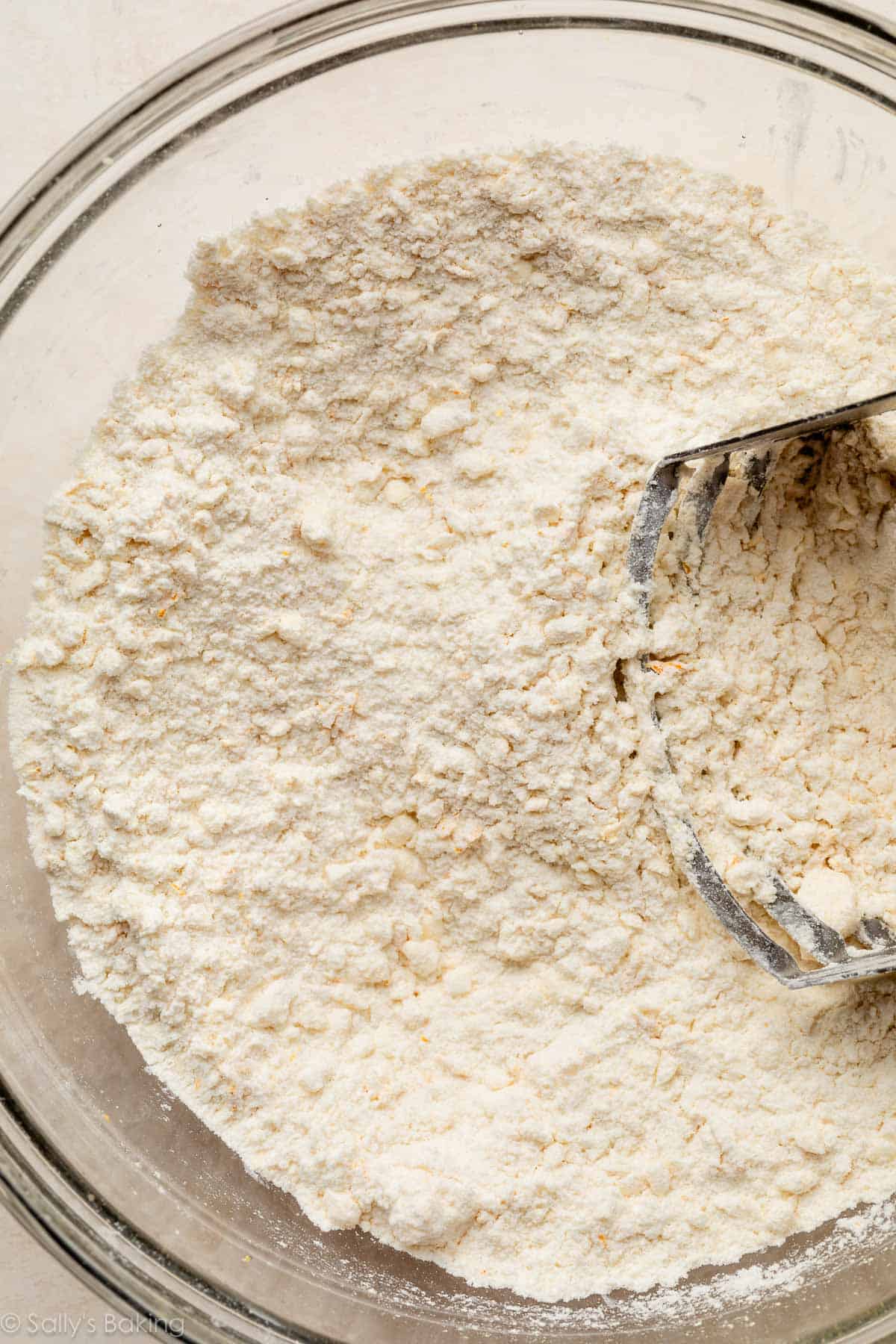
With relatively few ingredients, scone dough comes together pretty quickly. First, whisk the dry ingredients together, including the orange zest. Second, incorporate the grated frozen butter into the dry ingredients. You can use a pastry cutter, 2 forks, or your fingers for this step.
A food processor works too, but it often overworks the scone dough. To avoid overly dense scones, work the dough as little as possible. Place the bowl of dry ingredients in the freezer or refrigerator while you get your wet ingredients together.
Pour the wet ingredients (cold cream, egg, and vanilla) into the dry ingredients, add the cranberries, then gently mix together. The dough will look crumbly and shaggy, and that’s completely fine.
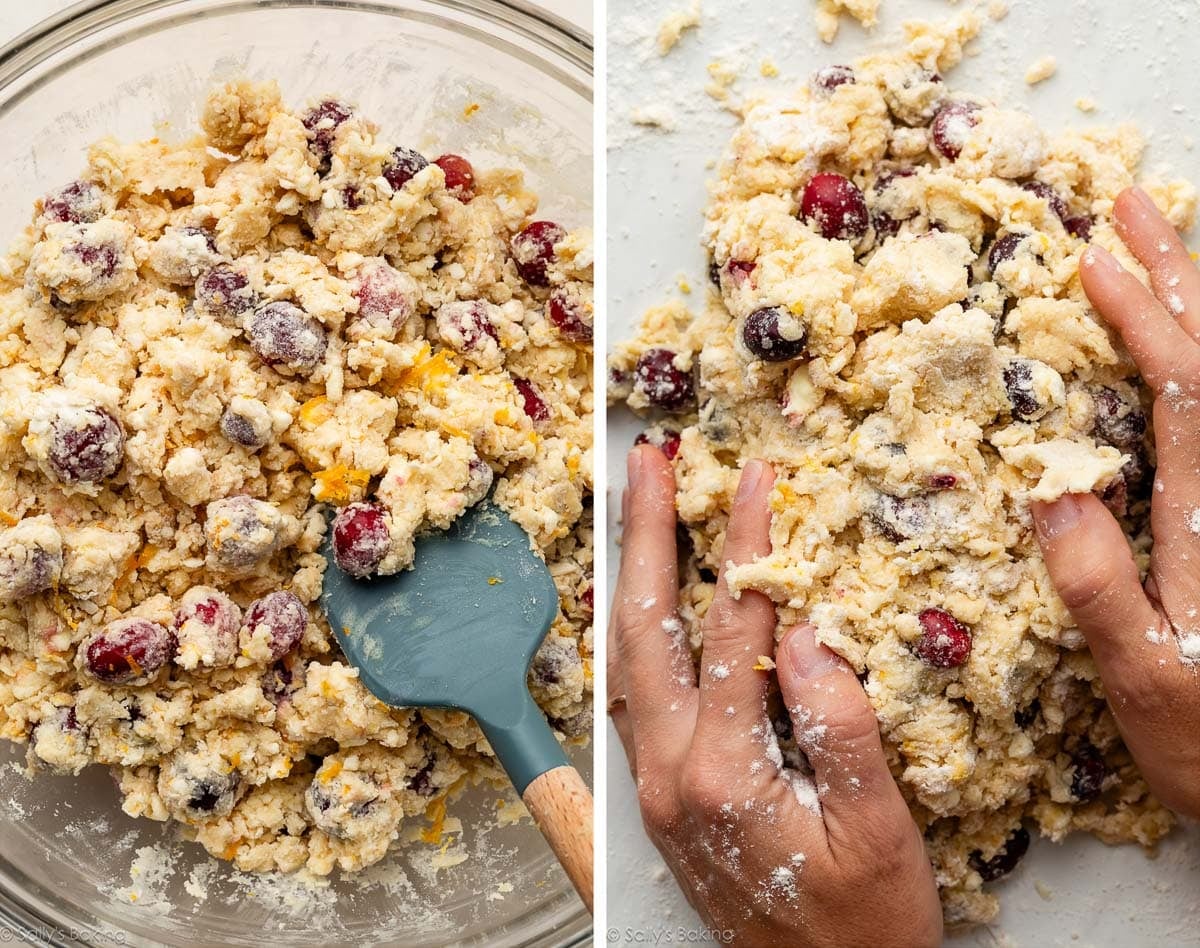
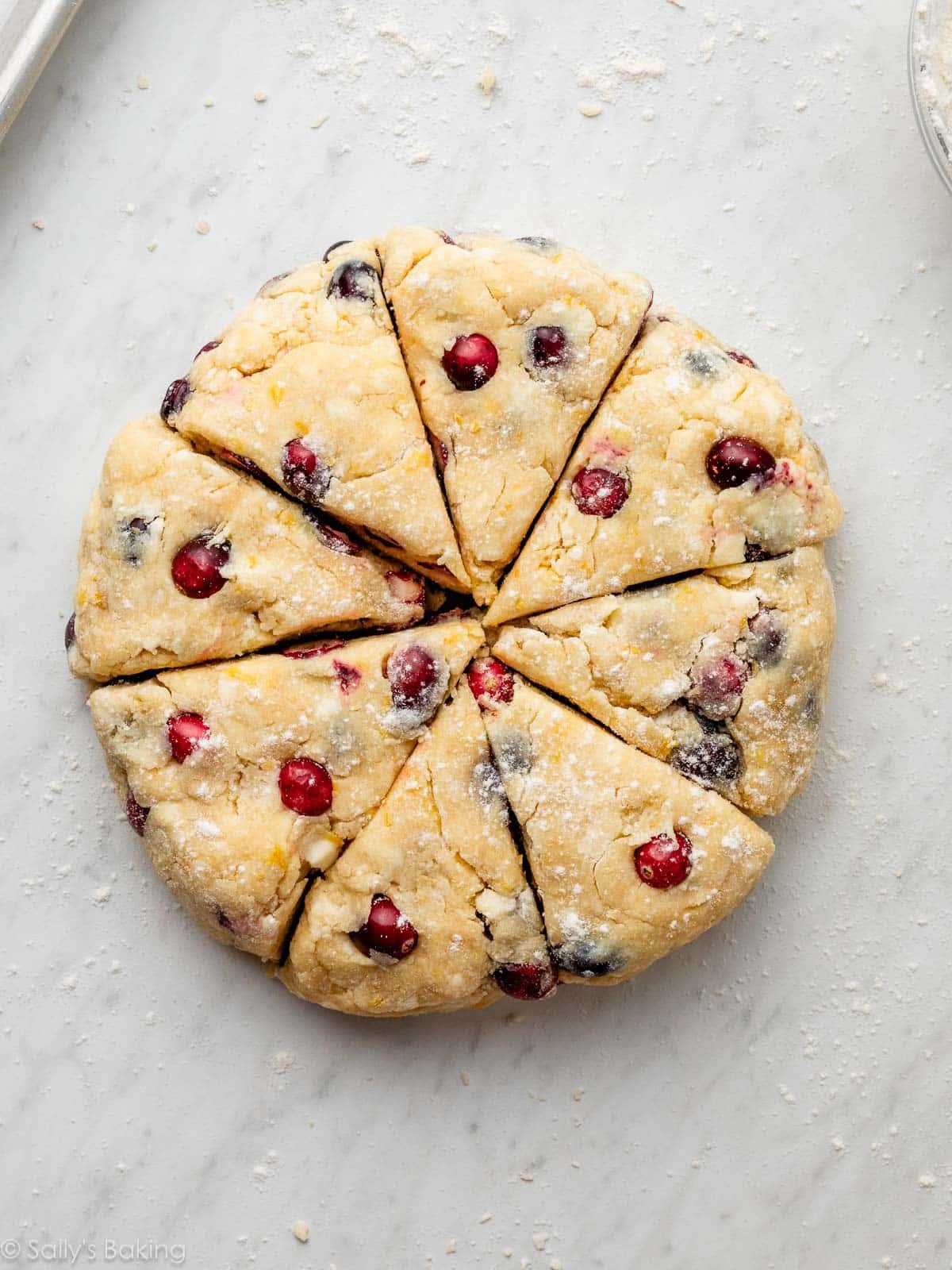
Form the dough into a disc on a floured surface, then cut into 8 wedges.
Don’t Skip the Chilling Step
To ensure the scones don’t overspread in the oven, briefly chill them in the refrigerator before baking. I know it’s tempting to skip the refrigerator when you’re ready to bake, but chilling these scones for at least 15 minutes will help them hold shape in the oven.
Let me explain. Even though we’re starting with frozen butter, the butter will soften as you mix and shape the dough. Chilling the shaped wedges firms everything back up before they go into the oven. This helps the scones hold their shape, limits spreading, and encourages those flaky layers.
If you’re planning ahead, you can refrigerate the shaped scones overnight and bake them the next morning. It’s one of my favorite ways to make breakfast feel a little more special without much work in the morning!
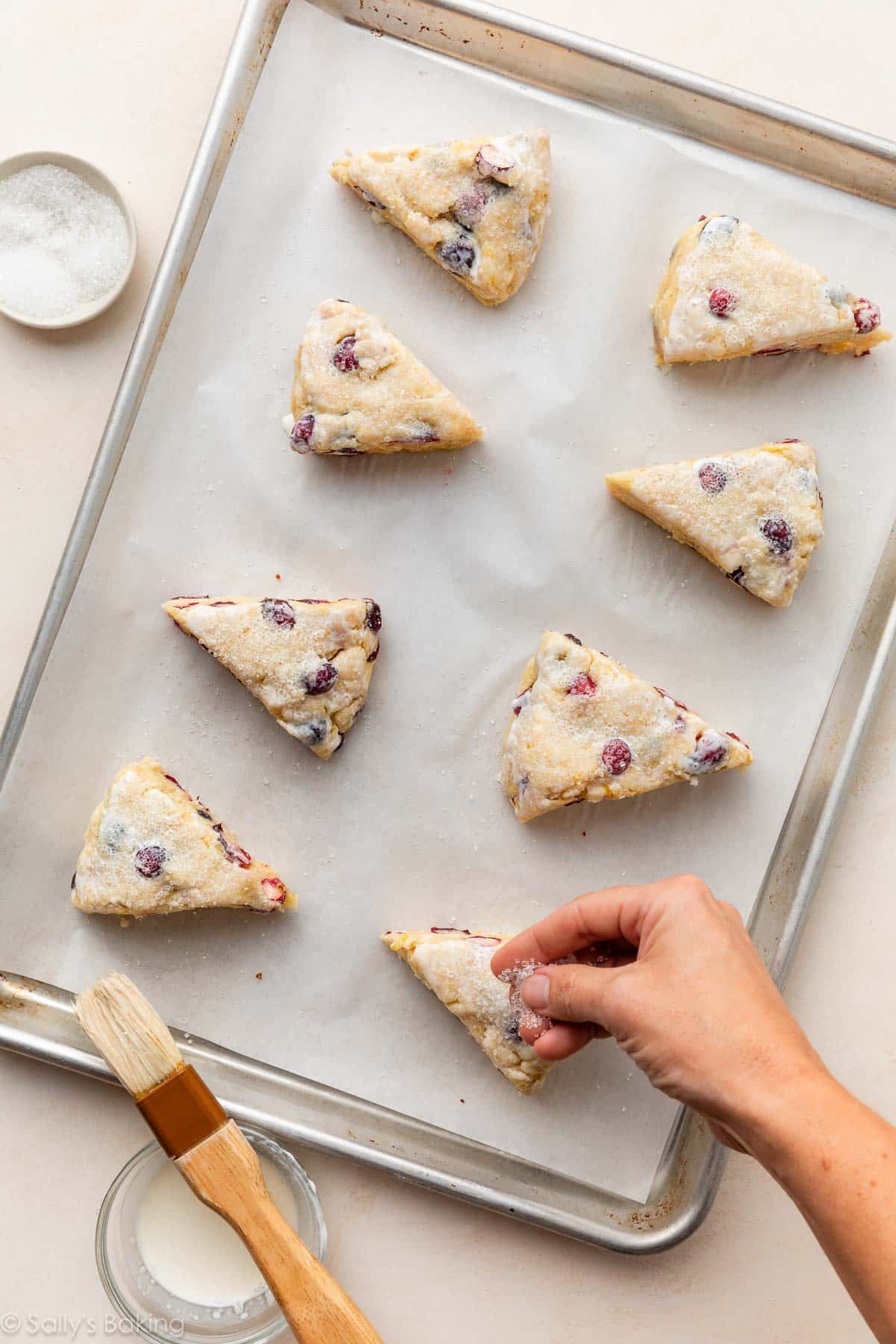
Before baking, brush the tops with a little additional heavy cream and sprinkle with coarse sugar. This finishing touch gives the scones a lovely golden sheen and a pleasant crunch.
After that, bake the scones until golden brown.
My favorite trick: Check on the scones halfway through baking. If they are spreading out, use 2 bench scrapers or spatulas to press on either side of each scone to reshape into a triangle.
The scones are wonderful right out of the oven, but taste even better with a simple 2-ingredient orange glaze!
Or try a swipe of homemade honey butter or the cranberry curd from this cranberry curd tart. You can’t go wrong!

Make-Ahead and Freezing Instructions
One of the best things about homemade scones is how well they fit into a make-ahead baking schedule.
- To refrigerate overnight: Prepare the scones through shaping. Cover and refrigerate overnight. Bake the following morning as directed.
- To freeze unbaked scones: Arrange the shaped wedges on a plate or baking sheet and freeze for about 1 hour, or until firm. Transfer to a freezer-safe container or bag. Bake directly from frozen, adding a few extra minutes to the baking time. You can also thaw them overnight in the refrigerator before baking.
- To freeze baked scones: Allow the baked scones to cool completely, then freeze them without the glaze in a freezer-safe container or bag. Thaw at room temperature, then warm in a 300°F oven for about 10 minutes. Add the orange glaze just before serving.

These cranberry orange scones are especially lovely during the holiday season, but there’s no reason to save them for a special occasion. Make a batch for a weekend breakfast, serve them with tea, or tuck a few into the freezer for a homemade treat anytime!
Cranberry Orange Scone Tools
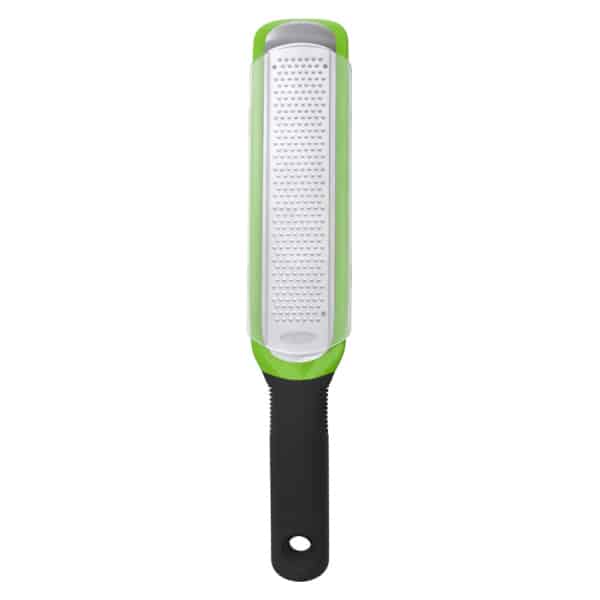
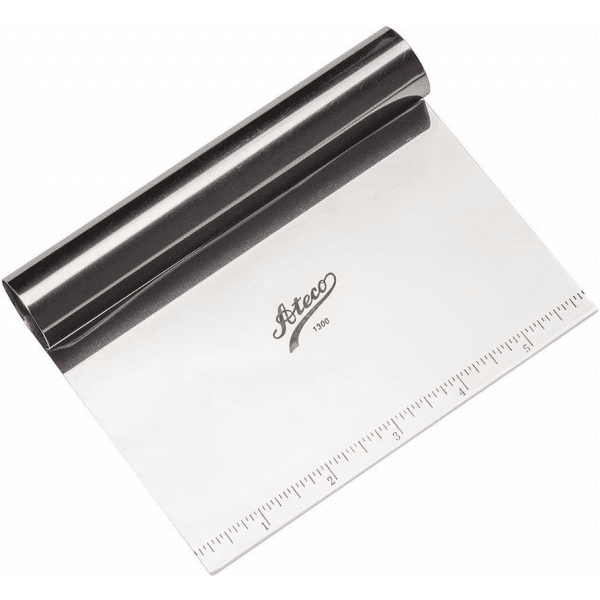


Pastry Brush


Glazed Cranberry Orange Scones
- Prep Time: 30 minutes
- Cook Time: 25 minutes
- Total Time: 1 hour, 10 minutes
- Yield: 8 large scones
- Category: Breakfast
- Method: Baking
- Cuisine: American
Description
These cranberry orange scones are buttery, flaky, and tender, with crisp golden edges, soft centers, tart cranberries, and fresh orange flavor. A simple orange glaze makes them extra special. Chill the shaped scones before baking for the best texture and to prevent spreading.
Ingredients
- 2 cups (250g) all-purpose flour (spooned & leveled), plus more for hands and work surface
- 1/2 cup (100g) granulated sugar
- 2 and 1/2 teaspoons baking powder
- 1/2 teaspoon salt
- 2 teaspoons orange zest (about 1 orange)
- 1/2 cup (8 Tbsp; 113g) unsalted butter, frozen
- 1/2 cup (120g/ml) heavy cream
- 1 large egg
- 1 teaspoon pure vanilla extract
- 1 heaping cup (125g) fresh cranberries*
- optional: 1 Tablespoon (15g/ml) heavy cream and coarse sugar
Orange Glaze
- 1 cup (120g) confectioners’ sugar
- 2–3 Tablespoons (30–45g/ml) fresh orange juice*
Instructions
- Whisk flour, sugar, baking powder, salt, and orange zest together in a large bowl. Grate the frozen butter using a box grater. Add it to the flour mixture and combine with a pastry cutter, two forks, or your fingers until the mixture comes together in pea-sized crumbs. Place in the refrigerator or freezer as you mix the wet ingredients together.
- Whisk heavy cream, egg, and vanilla extract together in a small bowl. Drizzle over the flour mixture, add the cranberries, then mix together until everything appears moistened.
- Pour onto the counter and, with floured hands, work the dough into a ball as best you can. Dough will look crumbly and shaggy. If it’s too sticky, add a little more flour. If it seems too dry, add 1 more Tablespoon of heavy cream. Press into an 8-inch disc and, with a sharp knife or bench scraper, cut into 8 wedges.
- If using, brush the tops of the scones with the additional 1 Tablespoon heavy cream and, for extra crunch, sprinkle with coarse sugar. (You can do this before or after refrigerating in the next step.)
- Place scones on a plate or lined baking sheet (if your fridge has space!) and refrigerate for at least 15 minutes.
- Meanwhile, preheat oven to 400°F (204°C).
- Line a large baking sheet with parchment paper or a silicone baking mat. After refrigerating, arrange scones 2–3 inches apart on the prepared baking sheet(s).
- Bake for 22–25 minutes or until golden brown around the edges and lightly browned on top. Remove from the oven and allow to cool for a few minutes as you make the glaze.
- Make the glaze: Whisk the confectioners’ sugar and orange juice together. Add a little more confectioners’ sugar to thicken or more juice to thin. Drizzle over scones.
- Leftover scones, with or without glaze, keep well at room temperature for 2 days or in the refrigerator for 5 days.
Notes
- Freeze Before Baking: Arrange the shaped wedges on a plate or baking sheet and freeze for about 1 hour, or until firm. Transfer to a freezer-safe container or bag. Bake directly from frozen, adding a few extra minutes to the baking time. You can also thaw them overnight in the refrigerator before baking.
- Freeze After Baking: Allow the baked scones to cool completely, then freeze them without the glaze in a freezer-safe container or bag. Thaw at room temperature, then warm in a 300°F (149°C) oven for about 10 minutes. Add the orange glaze just before serving.
- Overnight Instructions: Prepare the scones through shaping (step 3). Cover and refrigerate overnight. Bake the following morning as directed. If using the cream and coarse sugar topping, add both right before baking.
- Special Tools (affiliate links): Glass Mixing Bowls | Whisk | Box Grater | Citrus Zester | Pastry Cutter | Bench Scraper | Pastry Brush | Baking Sheet | Silicone Baking Mat or Parchment Paper
- Over-spreading: Some spreading is normal and expected. If the scones spread too much as they bake, remove the baking sheet from the oven and use two spatulas or bench scrapers to gently press each scone back into a triangle/wedge.
- Cranberries: I prefer to use fresh cranberries here, but if you only have frozen, do not thaw before adding to the dough. Dried cranberries work too.
- Orange Juice: I prefer fresh orange juice. You’ll have an orange anyway—the one you zested for the scone dough! Store-bought orange juice works too, of course.













Reader Comments and Reviews
Made these. They are wonderful. Lovely flavor between the tart cranberries and icing. The texture was very nice! Best I have achieved for a scone. ANY TIPS for keeping these from spreading? I baked these after have them in the fridge overnight, and they weren’t as tall as Sally’s Any suggestions?
Can half and half be used successfully as a substitute for heavy cream?
Hi Barbara, you can certainly try, but heavy cream or buttermilk are really best for scones.
Could sour cream be substituted for the heavy cream if it was thinned out a bit?
Hi Julie, we have used sour cream in place of the heavy cream before with success. The scones may be a bit more dense.
Please post the nutrition information on your recipes. Calories count!
Hi MAB, We don’t usually include nutrition information as it can vary between different brands of the same ingredients. Plus, many recipes have ingredient substitutions or optional ingredients listed. However, there are many handy online calculators where you can plug in and customize your exact ingredients/brands. Readers have found this one especially helpful: https://www.verywellfit.com/recipe-nutrition-analyzer-4157076
Hi Sally! How long would these last in the freezer, if I wanted to save some to bake later? Thank you!
Hi Nikki! Scones can be frozen for up to three months.
Can I bake these into mini scones?
Hi Tina! For mini scones, bake for 18-20 minutes or until lightly browned.
I have made this recipe a few times. Very yummy. Wondering if I only have buttermilk on hand, how much should I use? One cup? Thank you and keep on baking!!
Hi Jackie, you can replace the heavy cream with buttermilk – same amount. Still use 1/2 cup. Enjoy!
Can you use almond milk or lactose free milk?
Hi Mary, heavy cream or buttermilk are really best for scones.